
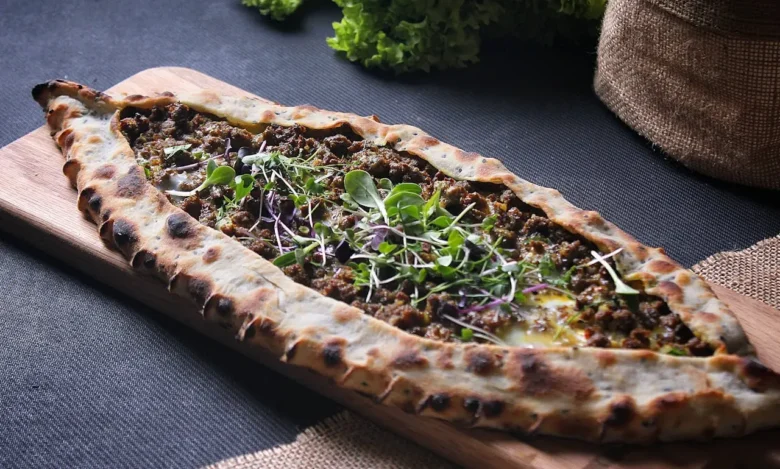
Turkish cuisine is a delightful sensory treat that draws from culinary influences across Central Asia, Middle East, and Balkan regions. Dishes that represent these influences include kofte (a lamb patty) and dolma (vine leaves stuffed with rice and meat) among many others.
Meals are an integral part of family life and social interactions. Sharing meals with guests helps foster relationships and build memories.
Bread
Bread has long been at the center of Turkish culture since nomadic Turks first settled the land. At every meal, bread represents sustenance, hospitality, tradition and sharing; its many regional varieties represent centuries of culinary evolution; while its place at the core of daily life in Turkey draws past communities together with contemporary society through culinary practice shared among them all.
Turkish bread’s soft, fluffy texture is an integral component of an unforgettable dining experience. Pairing perfectly with hearty stews and indulgent mezes while acting as a palate cleanser between strong flavors, its delectable aroma adds another delightful element.
Mama Fatma takes great pleasure in providing authentic Turkish cuisine, from our handcrafted breads made of different shapes and sizes, to the carefully prepared dishes on our menu – each of them offering something deliciously new in terms of flavor!
No matter if it’s warm and chewy pita bread, crisp avgolemono salad or salty borek like Tepsi Boregi (boiled yufka/phyllo layers filled with cheese and parsley) or sigara Boregi, fresh out of the oven is always the best bread experience. An unforgettable dining experience at Turkish tables involves sharing one large silver tray called a sini, where all dishes are placed onto one long silver tray and everyone eats from one piece of bread throughout their meal!
Meat
Turkey is famed for its unique and delicious meat-based cuisine. Olive oil and yoghurt are used as staples to craft incredible dishes with diverse combinations of ingredients such as lamb, beef and fish often served alongside vegetable side dishes or meze (appetizers). Also popular among vegetarians and vegans are many dishes which naturally feature these qualities!
Turkish meals typically start with soup or an ezme (spicy tomato and pepper salad), then move onto hummus, olives and dolma – grape leaves stuffed with rice, pine nuts and currants – before moving on to siskebabi or regional specialities such as iskender or adana kebabs; meat-filled pastries (kofte) or menemen stew made of boiled eggs, beans tomatos and green peppers.
Turks take food seriously and often enjoy dining together as part of a social meal with friends and family. At home, dinner may last several hours with multiple courses served throughout the meal – at its conclusion it’s customary to say: “elinize saglik”, which means health to your hands!
Turkish pastry and bread enthusiasts also appreciate gozleme, a delicious flatbread filled with cheese, spinach, potatoes or ground meat; simit – seedy bagel-style roll; or lahmacun – which features minced meat mixed with vegetables baked into thin dough sheets – to name but a few of their most beloved culinary creations. They often enjoy a glass of raki, their national alcoholic drink, alongside their meal to add extra warmth.
Vegetables
Turkish cuisine may be best known for kebabs – grilled meat dishes served on pita with melted butter, salad or yoghurt sauce and other accompaniments – but it also boasts an abundance of vegetables. Botanists define “fruit” as any plant with seeds while “vegetable” refers to parts eaten by humans like leaves (lettuce), stems (celery), roots (carrot), tubers (potato) and flowers (broccoli).
Turkey’s cuisine includes many popular meat dishes such as lamb shish or kofte from Diyarbakir and Adana kebabs featuring grilled beef with onions – but vegetarian food items such as Kiymali Fasulye (beans with ground meat), Kiymali Ispanak (spinach with ground meat), and Manti (folded triangles of dough stuffed with minced lamb) are also widely eaten here.
Yogurt is an integral component of Turkey’s food culture, being used to complement almost all meat and vegetable dishes as well as meze, such as mercimek kofte (made with fried red lentils, fine bulgur, salt, scallions, chopped garlic and crushed cilantro combined with hot red pepper paste) or drunk as an ayran drink alongside pilav, desserts or soups – and is even the key component in simit – one of Turkey’s iconic snacks!
Tea
Turkish tea is more than just a drink–it is part of its culture and an integral component of daily life, symbolizing its resilience and ability to adapt in response to new challenges.
Tea is an integral part of social life in Turkey, be it Istanbul cafes or rural villages. Tea acts as an informal facilitator that builds connections while creating an environment of open-heartedness. Tea houses and bazaars serve delicate tulip-shaped glasses; this beverage also sets an informal, friendly environment for business meetings where it creates relaxed discussion spaces.
Tea-serving etiquette is deeply ingrained in tradition and expresses values of hospitality and respect. You should always accept an offer of tea as an honorable gesture, regardless of the circumstances.
Turkey’s love affair with tea began somewhat accidentally, when gardens established with seeds from Georgia following initial failures with Chinese varieties were created by chance. Turkey’s long and winding journey into tea farming highlights the value of perseverance and innovation while giving hope to future generations of growers who face changing climate conditions. Nowadays, tea farmers are turning towards resilient varieties, sophisticated irrigation systems and shade trees as ways of protecting their bushes from excessive sunlight and heat.


