
Food meets culture
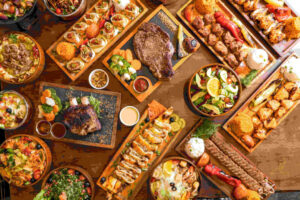
It is often said that Turkish cuisine is one of the most colorful and delicious in the world. Its originality comes from years of cultural integration, rich natural beauty and age-old traditions. Turkey is located at the crossroads of Europe and Asia and its cuisine is influenced by the Middle East, Central Asia, the Balkans and the Mediterranean. This makes Turkish cuisine unique and diverse. It combines a variety of flavors, textures and aromas, setting it apart from other cooking styles around the world.
A perfect blend of Eastern and Western cuisine
One of the most fascinating things about Turkish cuisine is the combination of Eastern spices and fresh Mediterranean flavors. Dishes are often rich but not greasy, and spices are used to enhance the flavors of the natural ingredients rather than masking their strong taste. For example, İmam Bayıldı is a creamy eggplant stuffed with tomatoes, onions and garlic. Olive oil and vegetables are cleverly used to emphasize the richness and simplicity of the ingredients. Turkish cuisine often combines different flavors and textures in one dish. For example, rich, spicy yogurt is often paired with spicy meats, sweet dried fruits are often mixed with savory rice, and fresh herbs are often added to hearty soups.
Influence of Ottoman Imperial Cuisine
Much of what people today consider traditional Turkish cuisine has its origins in the opulent kitchens of the Ottoman Empire. Royal chefs experimented with a wide variety of ingredients and cooking methods, often creating highly complex dishes for the elite of the court. Dishes such as Hünkar Beğendi, a lamb stew with smoked eggplant puree, originated in these opulent kitchens and are still beloved today. Ottoman cuisine brought with it new cooking methods, such as slow-cooking meats, layering desserts, and mixing sweet and spicy flavors in the same dish.
Bread as a cooking base
Bread is an important part of Turkish cuisine and is eaten with almost every meal. From crusty somun bread to sesame-covered simit rings, bread is more than just a side dish; it is an essential part of the diet. Flatbreads such as pide are topped with meat, cheese or vegetables. They taste a bit like pizza, but truly Turkish. Thin breads such as lavash and yufka are used to wrap grilled meat, vegetables or cheese and form the basis for many regional dishes.
Turkish breakfast tradition
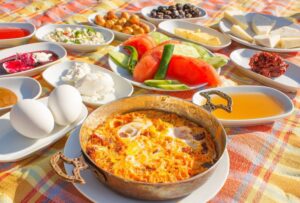
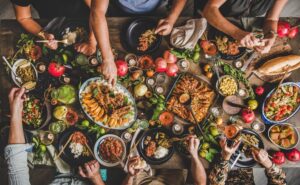
The Turkish breakfast, also known as kahvaltı, is more than just a meal. It is a social event that showcases the different local cuisines. Breakfast usually consists of various types of cheese, olives, tomatoes, cucumbers, jam, honey, eggs and pastries. For many people, menemen (eggs cooked in olive oil with tomatoes, peppers and herbs) is a highlight of the Turkish breakfast. Menemen is often served with creamy labneh or thick, fresh honey from the oven. The best part of the Turkish breakfast is that everyone eats together, chats and enjoys it quietly with a cup of tea.
Use fresh, seasonal ingredients
Fresh, seasonal ingredients play an important role in Turkish cuisine. At markets throughout the country, you can find local ingredients that change with the seasons. In addition, many recipes are based on fresh, readily available ingredients. Turkish breakfasts use a lot of herbs, such as parsley, dill and mint. Vegetables such as eggplant, zucchini and tomatoes are also often used in everyday cooking. Olive oil is used in many recipes, especially in the Aegean and Mediterranean. Olive oil makes salads, vegetarian dishes and meze taste soft and healthy.
How to make Umeze
Meze, similar to tapas in Spanish, is a snack served before the main course. They are an important part of the dining experience. Common meze sauces include hummus, baba ganoush, stuffed grape leaves (dolma), ezme (a spicy tomato-chili sauce) and various yoghurt dips. These small plates allow you to try out different flavours and textures at once. Ideal for meeting other people. Turkey’s meze culture encourages people to eat slowly, talk and better appreciate the richness and diversity of Turkish flavours.
Grilled beef and lamb kebabs with local flavours
Kebabs are eaten throughout the Middle East, but Turkish kebabs are prepared in different ways depending on local tastes and ingredients. Adana kebabs are spicy and made with fresh lamb. Urfa kebabs are less spicy. Kebabs are pieces of meat that are grilled together.
Drinks filled with nuts and syrups are just the beginning. Künefe is a spicy treat made from shredded dough and cheese soaked in a sweet syrup. Aşure is a pudding made from grains, nuts and fruits. Lokma are fried dough balls covered in honey or syrup. These sweets usually use natural ingredients such as nuts, fruits and spices instead of fake flavours.
Tea and Coffee as Part of Culture
Turkish coffee and tea (çay) are more than just drinks; they are social tools. Tea was served in tulip-shaped cups and was enjoyed socially throughout the day. Turks drink strong coffee and often use coffee grounds to predict the future. These drinks are deeply rooted in Turkish culture and cuisine. They are more than just a way to beat the heat.
Food for Celebrations and Festivals
Food in Turkish cuisine also has a long history and is closely linked to various celebrations and events in people’s lives. Ramazan pidesi is a unique bread that is only made during the month of Ramadan. Keşkek and other similar dishes are served at weddings as a symbol of abundance and unity. During Eid al-Adha, people prepare meals with animals and share them with friends and those in need. These eating habits help preserve traditional customs and bring people together.
A culinary tradition that continues to this day
What makes Turkish food different is not only the ingredients used and the cooking methods, but also the connection to culture, history and identity. Every dish has a story, every item has a purpose and every meal is an opportunity to connect with others. From the refined court dishes of the Ottoman era to the simple street food of modern Istanbul, Turkish cuisine is a rich and delicious way to reach the heart of a country. It is said that the best way to get to know Turkey is to try it. Every bite takes you back to the customs of the past, then and now.