
A lot of people think that Turkish food is one of the best in the world because it has a great mix of fresh ingredients, fragrant herbs, and heart-healthy fats. Using fresh veggies, lean meats, beans, and healthy carbs, along with a focus on balance and control, are important parts of Turkish food. From the lush lands of Anatolia to the shores of the Mediterranean, the food of Turkey shows off its rich cultural history and varied scenery. Turkish food is healthy because of both the products it uses and the way it is cooked, which has been passed down from generation to generation.
Olive oil is at the heart of healthy Turkish food
One important thing about Turkish food is that it uses a lot of olive oil, especially along the Aegean and Mediterranean beaches. Monounsaturated fats, which are found in large amounts in olive oil, are known to lower cholesterol and lower the risk of heart disease. Besides sautéing veggies, people often drizzle it over salads or use it as a dressing for “zeytinyağlı” (olive oil-based vegetables). The Turkish have known for a long time that olive oil is good for them, and it is an important part of their food because it adds taste and provides important nutrients. The Mediterranean diet, which is a lot like Turkish food, has also been linked to longer life and better health in general.
Vegetables and legumes are filling and full of nutrients
A big part of Turkish food is the use of veggies and beans, which are the main ingredients in many classic meals. Fresh veggies that are in season, like spinach, tomatoes, eggplants, peppers, and zucchini, are common in Turkish cooking. They are full of fiber, vitamins, and minerals. “Imam bayıldı,” which is made of eggplant, olive oil, onions, tomatoes, and garlic, is one of the best meals in Turkish food. In Turkish food, legumes like chickpeas, lentils, and beans are also very important. They are high in protein and fiber. “Mercimek Köftesi,” which is made of red lentils, bulgur, and herbs, is a great example of a healthy meal that doesn’t need meat but is still filling and full of important nutrients.
A Melody of Health Herbs and Spices
Turkish food is famous for using a lot of different herbs and spices. Many of these are not only tasty but also good for you. Turkish food often has fresh herbs like thyme, parsley, dill, mint, and dill. These herbs add taste and depth without using too much salt or bad fats. Spices like cumin, paprika, sumac, and coriander not only make food smell good, but they also help your digestive system and fight free radicals. As an example, cumin has been shown to help with digestion, and sumac is high in vitamin C and can help with pain and inflammation. These herbs and spices are used a lot in Turkish food, which makes it taste better and be healthier.
A lot of grilled meats and lean proteins
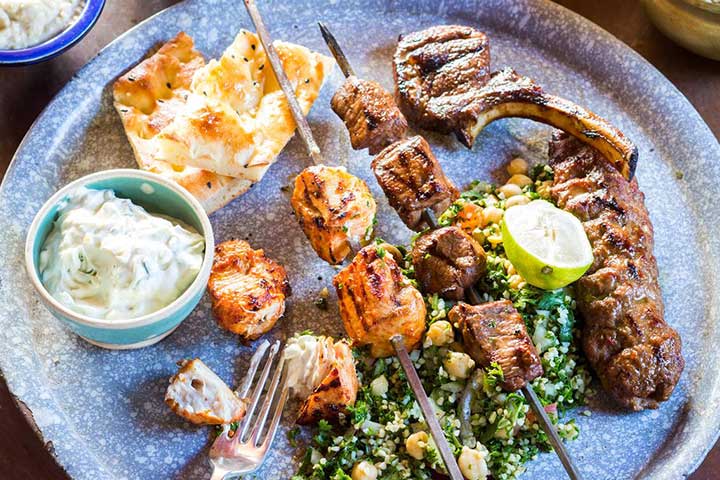
Even though there are many kinds of meat in Turkish food, lamb, chicken, and fish are often the main sources of lean protein. Meats that are grilled, or “ızgara,” are very common. Dishes like “kebap” feature meat that is perfectly burned and soft. When cooking on a grill in Turkey, the meat’s natural tastes are often emphasized by using only a little olive oil and a few spices. A lot of people also eat fish, especially those who live near the coast. Fish that has been grilled, like sea bass, mackerel, and anchovies, contain omega-3 fatty acids that are good for your heart. “Köfte,” or Turkish meatballs, are also often made with lean ground meats like beef or lamb, and they are generally served with salad or veggies, so they are a healthy and well-balanced choice.
Several types of healthy soups
Soups are an important part of Turkish food because they warm you up and give you energy. A lot of these soups are not only tasty, but they are also full of good things for you like vitamins and minerals. A traditional dish is “Mercimek Çorbası,” which is lentil soup made with red lentils, carrots, onions, and different spices. This soup is rich and filling, and it has a lot of fiber, vitamins, and protein from plants. “Ezogelin Çorbası” is another well-known Turkish soup. It is made with herbs like mint and basil, beans, rice, and bulgur. It’s a great choice for a healthy meal because the soup is light but filling. Most of the time, these soups are made from scratch, which means they have the freshest ingredients and most nutrients.
How Important Yogurt Is in Turkish Food
In Turkish homes, yogurt is always on hand and can be used for many things, from sweets and dips to main meals and sides. Turkish yogurt is often served with meals to cool things down after eating spicy foods. It has a creamy texture and a tangy taste. “Cacık,” a cool yogurt and cucumber salad with garlic, olive oil, and fresh dill, is a famous dish. Because it’s rich, yogurt can be used as a base for soups and sauces instead of heavy creams. Yogurt has probiotics that are good for your gut health and help digestion and the immune system. Yogurt is also a great way to get protein and calcium, which makes it an important part of a healthy diet.
Desserts from Turkey that are both tasty and good for you
People usually think of sweets from Turkey as being sugary, like baklava and Turkish delight. But there are also healthier foods that are sweet without having a lot of sugar. As a light and healthy treat, “kısır,” which is a bulgur salad, is often served with fresh fruits like apples, pomegranates, or oranges. Another traditional way to make “Revani,” a semolina-based cake, is with yogurt, which gives the cake a soft texture while keeping it lighter than other sweets that are soaked in syrup. Turkish fruit-based dishes, like “Aşure,” a sweet cake made from grains, fruits, and nuts, are naturally sweet and full of nutrients. They are great for people who want to treat themselves but still eat healthy.
Mediterranean and Turkish Health Trends Around the World
People have long said that the Mediterranean diet is good for you, and Turkish food follows many of the same rules. The stress on good fats, lean foods, fresh veggies, and whole carbs is very similar to what nutritionists say today. Chronic diseases like heart disease, diabetes, and obesity are less likely to happen if you follow this plan. Turkish food, which is high in olive oil, fish, and antioxidant-rich herbs, is a great example of a healthy way to eat that can help you live longer and be healthier overall. Also, Turkish meals are often shared with family and friends, which promotes thoughtful eating and social ties, both of which are important for living a healthy life.
Finally, a taste of health and tradition
Fresh, in-season vegetables, healthy fats, and a wide range of herbs and spices are what make Turkish food so healthy. Turkish food is well-balanced and full of nutrients because it focuses on veggies, beans, lean meats, and whole carbs. The tastes of Turkish food are good for your body and your soul, whether you eat fried fish from the Aegean, a veggie stew from Central Anatolia, or a dip made with yogurt from the Mediterranean. A trip through Turkish food not only opens your eyes to a wide range of tastes, but it can also help you eat in a better, more thoughtful way.


