

Turkish cuisine reflects the way people live, the place they live in and their traditions. From the Aegean coast to the mountains in the east, each region has its own unique food culture. Turkish cuisine is known for its rich flavors and spices, but when you look at the cuisine by region, you will discover …

Food meets culture It is often said that Turkish cuisine is one of the most colorful and delicious in the world. Its originality comes from years of cultural integration, rich natural beauty and age-old traditions. Turkey is located at the crossroads of Europe and Asia and its cuisine is influenced by the Middle East, Central …
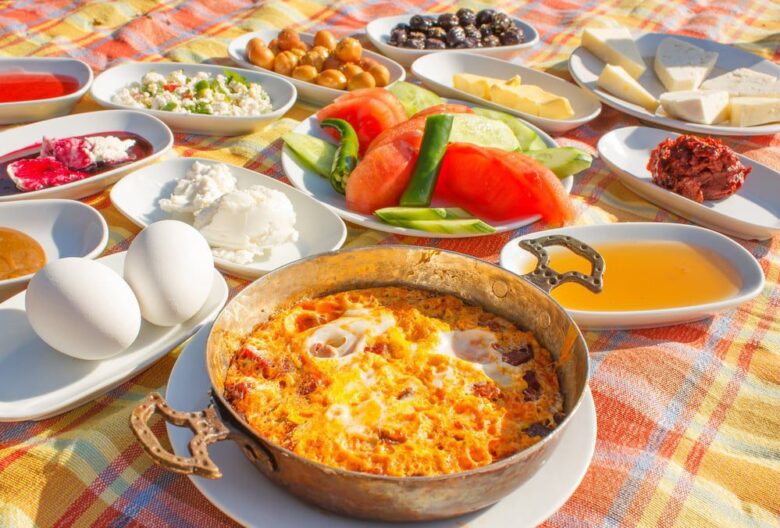
Turkish cuisine is rich and varied, a mix of many countries, regions and age-old customs. Turkish cuisine combines the sophistication of Ottoman court cuisine with the warmth and simplicity of Anatolian home cooking. For Turks, traditional food is more than just food; it is part of their culture and daily life. Of the hundreds of …

Turkish food has a past that goes back thousands of years and is one of the most famous and varied types of food in the world. From the unique tastes of Mediterranean veggies to the hearty spices of Anatolian soups, Turkish food shows how the country’s geography, culture, and history have shaped it. There are …
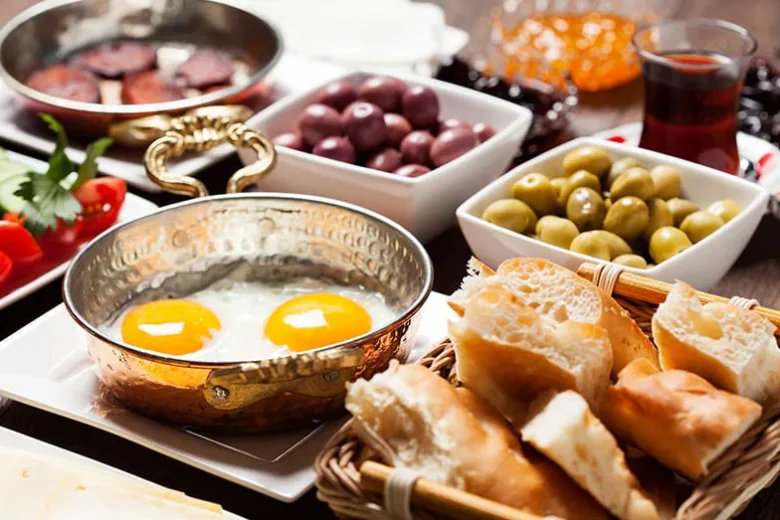
During its six hundred year history, the Ottoman Empire made a lasting impact on the world of food. Because the kingdom covered so much land, including parts of Europe, Asia, and Africa, food styles, products, and tastes were very different from one another. Ottoman-style Turkish food is rich, varied, and still loved today. From complex …

Food festivals provide restaurants with an ideal way to test new flavors and build customer bases, drawing national attention and helping expand their reputation. These events don’t simply focus on food; they also showcase cultural heritage and traditions. Food transcends its original purpose of sustenance to become a powerful symbol of identity and community. Caribbean …

Most Turkish households eat sit-down meals. People often enjoy dining together and the more, the merrier. At meals, many dishes are typically included: nuts like almonds, walnuts and hazelnuts are often enjoyed alongside roasted chickpeas and pistachios as well as vegetables such as okra cauliflower and kale as side dishes; typically soup serves as the …
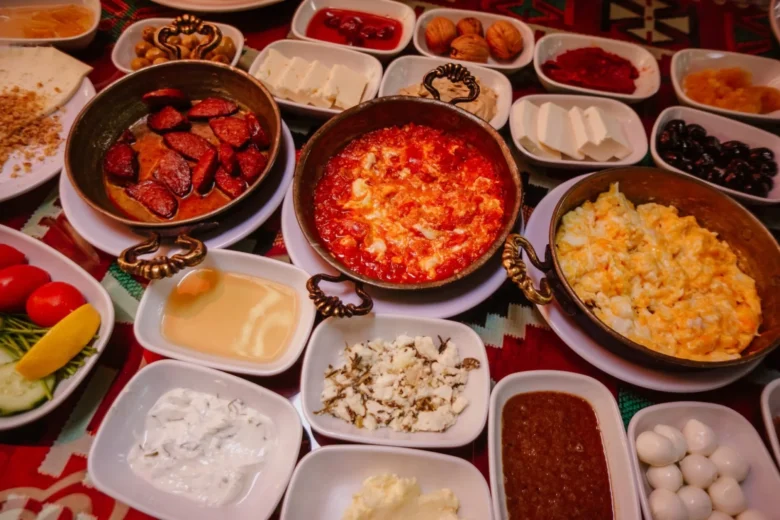
Turkish breakfast differs significantly from American brunch in that it’s more of a cultural ritual, complete with delectable menemen (meatballs) and homemade jams, not to mention steaming Turkish tea. Cheeses are an integral component of this feast and there’s a wide array of varieties to try, from beyaz peynir and tulum to Van herbed cheese …
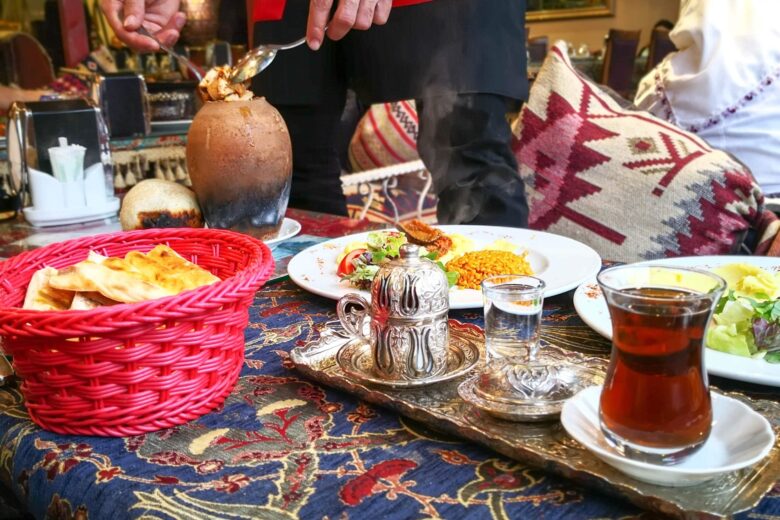
Turkey boasts an enticing food culture, reflecting its diverse regions. Traditional Turkish meals may include soup, hearty stews and grilled meat dishes. Mealtime in Turkey is an integral component of society and this article gives a glimpse of what a typical day of eating in Turkey looks like. Breakfast On a typical weekday or weekend …
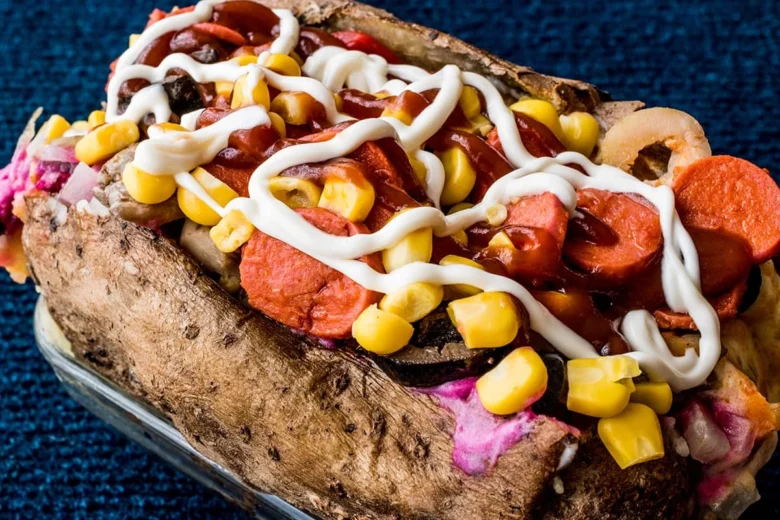
Turkey’s street food offers an unforgettable culinary journey. From the savory warmth of Kestane Kebap to tantuni’s fiery bite, each regional specialty contributes its unique flavors. Doner (meaning “turning roast”) is a delicious traditional Turkish delicacy. Consisting of slowly cooked beef, lamb or chicken cooked on vertical skewers. Tavuk Pilav Turkish street food embodies the …