
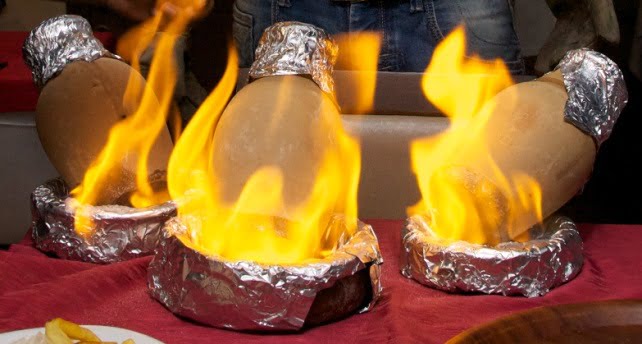
Notable meat sources in addition to grilled offerings include poultry and lamb. Vegetable dishes may be prepared boiled, fried or roasted and can serve both as meze and as main courses.
Yogurt is a cornerstone of Turkish cuisine. It can be found alongside meat dishes, vegetable-based dishes and dough-based desserts alike – and mint is another common component.
Istanbul
Turkey offers an intoxicating array of culinary treasures. From olive oil-based Mediterranean dishes, hearty pastries and subtle spicy flavors of central and eastern Anatolia cuisine; to exquisite pastries of southern Anatolia. Turkish cuisine has been shaped by centuries of history.
Mezze, an assortment of appetizers often served at the start of meals, is an absolute must. Mezze typically features rolled, kneaded, and shaped foods such as eggplants or baba ghanoush (grilled aubergines mixed with tahini sauce) or mucver (grated zucchini/courgette mixed with egg, cheese and flour).
Stuffed dishes (dolma and sarma) are another mainstay on Turkish menus. Popular examples of such cuisine are Imam Bayildi eggplants stuffed with meat and onion before being cooked in olive oil) and Zeytinyagli Dolma grape leaves filled with rice, pine nuts and currants).
Hearty soups are a favorite throughout Turkey, especially Ezogelin corbasi (a nutritious lentil and rice soup with spices and an array of legumes) in Istanbul and sigara boregi (sheep’s or feta cheese wrapped in phyllo pastry). Turkish desserts, particularly baklava (layered filo dough filled with nuts and sweet syrup) should not be missed!
Cappadocia
Turkish cuisine has long been beloved and revered for its variety and fresh flavors that satisfy any palette, and that remains a hallmark of its distinctive character. Turks pride themselves on maintaining traditional culinary practices – preferring dishes which emphasize their main ingredient’s original flavor rather than covering up its essence with sauces or spices – this approach being especially prevalent in Cappadocia region.
Nature and history blend harmoniously here. Geological events created the fairy chimneys which residents over time transformed into amazing homes and churches. Written history dates back as far as 1600 BCE (Hittite period).
Since Cappadocia is known for its cold climate, hearty soups such as Ezogelin corbasi – made up of lentils, rice and spices – are an integral part of life here. You can either enjoy it on its own or as an accompaniment with another meal. Furthermore, vegetables dishes like spinach, courgette and leek with olive oil are popular choices as are mucver dishes featuring grated squash/courgette with onion, dill and minced meat as main components.
Aegean Coast
Aegean Sea’s rich waters produce an array of tasty seafood dishes to tantalize any palate, from Ayvalik to Alacati and Bodrum to Datca restaurants serving freshest catches like sea bream, sea bass, grouper oysters octopus and shrimp casseroles and kebabs – perfect for dining on.
Mealtimes in Turkey are social affairs, and sharing food is part of its culture. Moussaka, a delicious casserole made with eggplants and minced lamb simmered in a decadent bechamel sauce is popularly served in Aegean regions; dolma — vine leaves filled with rice, herbs and meat (often) — are other delicious local delicacies to try!
Turkish fruit trees offer an abundance of seasonal fruits such as oranges, apples, pears and figs; whether fresh or dried these delicious treats can often be found featured in popular desserts like baklava.
Malatya
Malatya (Hittite: Meliteia), located at the base of Anti-Taurus Mountains, serves as the capital and largest industrial city of Eastern Anatolia and Turkey respectively. Malatya is best-known for producing delectable apricots as well as delicious confectionery goods.
Eastern Anatolia’s cuisine is hearty, vibrant, and meat-centric. Nomadic villages prioritized food preservation over storage to survive harsh winters – leading them to create hearty yet satisfying cuisine that brings comfort.
Kebabs are an iconic part of Turkish cuisine, and each region boasts their own variations on this dish. From Adana kebabs to Urfa and Iskender varieties, these delicious skewered treats often come served alongside flatbread and grilled vegetables for an authentic experience.
Turkey’s cuisine features many vegetarian-based vegetable dishes as a staple, often prepared using olive oil and herbs like leeks, spinach, string beans and artichokes; in particular zeytinyaglilar — spinach leek artichoke stew in tomato sauce — is popularly enjoyed throughout the nation.
Anatolia
Turkey has a rich culture shaped by over 10,000 years as the cradle of civilizations and land bridge between Europe and Asia, drawing influences from Mesopotamian, Mediterranean and African influences that come together into an exciting culinary amalgam. When combined with ingredients grown on Turkey’s fertile lands, a truly fusion cuisine emerges.
Dolma and sarma remain staples in Turkish cuisine. Karniyarik (beef or lamb meatballs) and kofte are other favorites, each served with its own condiment – Karniyarik typically features yoghurt sauce and onions while Kofte usually features pepper paste. Finally, Imam Bayildi stands out as another distinctive eastern specialty: grated squash/courgette or potato with egg, spring onions and dill are wrapped up inside red lentil dough dough – vegetarian options such as Mercimek Koftesi are also available – this time without meat.
Meze, or appetizers served simultaneously at a Turkish meal, are an integral component. Some, such as baba ghanoush and hummus are enjoyed cold while other items might include salads, spinach and leek stews and zeytinyaglilar (courgette/string bean) with olive oil as meze items.


