
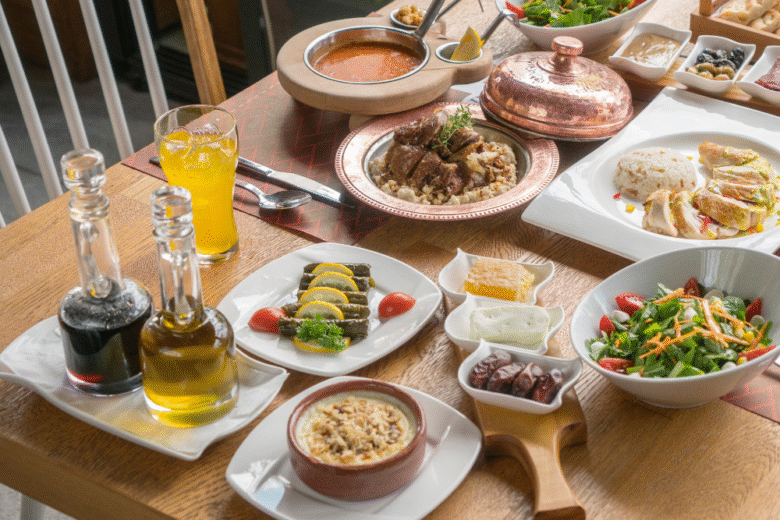
Turkish cooking takes advantage of its vibrant agricultural landscape by using herbs and spices from its vast agriculture to craft delicious yet nutritious dishes that add depth to its cuisine. A range of cooking techniques further add complexity to this tasty treat!
Breakfast in Turkey typically includes quick and simple weekday breakfasts while weekend family breakfasts tend to bring everyone together for an extended breakfast meal. Borek is a common treat featuring both salty and sweet flavors in its preparation.
What Makes Turkish Food So Unique?
Turkish cuisine has long been known for being an amalgamation of diverse cultures, and has since gained global appeal. While kebaps and baklava may be the staple dishes, Turkish food offers much more: creamy deserts, vegetable dishes cooked in olive oil, pastries with filling or fillings rolled pastries filled with vegetables or cheese filled pastries as well as mezes (small plates) and soups are just some examples of its vast repertoire of offerings.
Vegetables such as spinach, leeks, artichoke hearts, kale, string bean pods, eggplant, zucchini and tomato are a cornerstone of Turkish cooking. Sauteed in olive oil along with herbs such as black peppercorns, coriander seeds mint thyme saffron nigella seeds these ingredients become part of main courses before being combined in their final dish.
Karniyarik are split eggplants filled with minced meat, garlic, and onion that have been baked in an oven, while Baba Ghanoush are purees made of smoked eggplants mixed with tahini sauce. Mucver are grated squash or courgette mixed with egg, spring onion, dill or cheese then coated in flour for baking in an oven.
Vegetables
Turkish cuisine’s basis lies in vegetables and herbs, with each dish featuring one or two key components to highlight their flavors without being lost amid sauces or spices.
At a Turkish meal, fresh salads are integral components. As part of both lunch and pre-dinner snacks, salads often feature leafy greens, tomatoes, cucumbers and green peppers as well as more unusual ingredients such as fennel bulbs, turnip bulbs or kohlrabi roots for extra tang.
Yogurt is an integral component of Turkish cuisine, with the English term for it originating in its Turkish name. It is utilized not only as a standalone side dish but also as a crucial element in sauces and soups.
Mezzes (appetisers) are typically served before main courses in Turkey, typically yogurt-based mezzes. This could range from serving a small dollop of yogurt with peppers to making an entire cauliflower into an edible treat! During the summer, sunflower seeds, also known as cekirdeks, can serve as delicious accompaniments. It requires some practice to open them and consume the insides before discarding the shells, but they taste delicious when sprinkled over yogurt or tea.
Meat
Turkish cuisine is an unparalleled treat for meat enthusiasts, offering delicious grilled, fried and skewered dishes featuring beef, lamb and chicken as its primary staples – often eaten as part of an appetizer known as meze before lunch or dinner!
Turkish dining differs from that in many other countries by using an old-fashioned dining method of sitting around a large silver tray known as a sini and sharing meals together instead of having individual plates for each dish served. They serve meals from this tray instead of placing individual ones on each table.
In the south, traditional Turkish dishes such as Kuzu Guvec (lamb cooked in an earthenware casserole) and Manti (small dough parcels stuffed with minced lamb or aubergine for vegetarian options) topped with Pul Biber are classic meals; in central Anatolia however, small dough parcels stuffed with minced lamb (or aubergine for vegetarian options) filled with minced lamb is served topped with Pul Biber and Yogurt as a main dish; other favorites are Acili EZme (hot spicy tomato salad with onions, green peppers, parsley leaves), Coban Salaatasi cucumber, Tomato Tomato Onions Parsley Leaves served alongside Raki for an enjoyable meal experience! Turkish culture regards using toothpicks as common practice although using them publicly can be considered impolite; most homes and restaurants carry boxes filled with them for use discreet use when showing others. Using a toothpick in public is considered impolite.
Bread
Key to Turkish cuisine is bread’s use as an active participant of a meal; not simply an accompaniment. Bread can be used to scoop up dips and salads, enjoy kebabs on, wrap meat stews in and simply replace forks for more intimate dining experiences.
Cekirdeks, sunflower seeds with an irresistibly crispy shell, make for the ideal snack for a summer evening stroll!
Pide, the boat-shaped flatbread that has become an international street food favorite, can be customized with vegetables, cheese and minced meat to form an irresistibly tasty sandwich. Pide also forms the cornerstone of many savory dishes like sucuk and pastirma for breakfast consumption with scrambled eggs; while simit is another delicious option which resembles an authentic Turkish bagel with sesame seed coating – perfect as an afternoon treat or with drinks after work!
Desserts
Turkish cuisine features an impressive variety of desserts to complete each meal, typically as the last course or for special celebrations such as birthdays and weddings.
Turkish desserts typically consist of milk-based options like frn sekeri, su muhallebi, keskul and kazandibi (rice pudding created through Maillard reaction in an oven). Also popular is frinda sutlac where herbs like dill, parsley or mint leaves are added to traditional rice pudding for an exciting twist.
Borek is an extremely popular Turkish dessert, and can take many forms. Su boregi is one such variety made with layers of yufka/phyllo dough, cheese and parsley; others include cg borek, fincan, muska and kul boregi.
Turks love pairing melons and cheese together as a dessert treat! Although this social custom may raise eyebrows among foreigners, its combination works surprisingly well as its flavours complement each other perfectly. When enjoying this treat with Turkish friends make sure to say: “Elinize Saglik”, meaning ‘health to your hands.”


