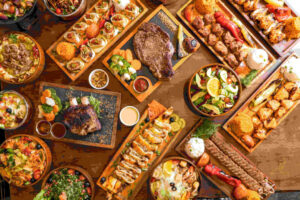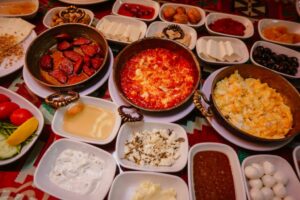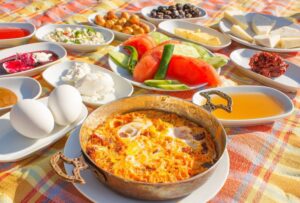
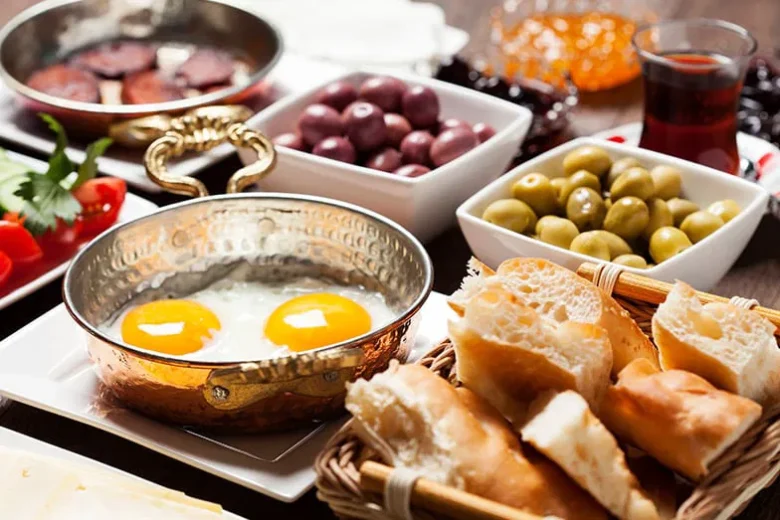
During its six hundred year history, the Ottoman Empire made a lasting impact on the world of food. Because the kingdom covered so much land, including parts of Europe, Asia, and Africa, food styles, products, and tastes were very different from one another. Ottoman-style Turkish food is rich, varied, and still loved today. From complex stews and savory pastries to sweet desserts and fragrant drinks, these meals show how sophisticated the empire’s royal cooks were and how different cultures influenced them.
Many classic Ottoman recipes have changed over time, but the main tastes and ways of cooking them are still important to Turkish food. In this article, we will talk about some of the most famous Ottoman-era Turkish foods that people all over the world still love.
1. Hünkar Beğendi, which means “Sultan’s Delight,”
Sometimes called “Sultan’s Delight,” Hünkar Beğendi is a royal dish that comes from the kitchens of the Ottoman sultans. The lamb stew is very rich and is served on a bed of smooth, spicy eggplant mush. They slow-cook the lamb with tomatoes, onions, and a mix of spices. They grill the eggplant, peel it, and then blend it with butter, cream, and cheese. The dish is fancy because it has both spicy and smoky tastes. It’s a family favorite for holidays and other special events.
Hünkar Beğendi is a great example of how complicated Ottoman food was. Royal cooks tried to please their sultans with both taste and appearance. This food has always been a mainstay in Turkish good eating, and many people still love it for its warming taste and long history.
2. Börek
Börek is a food from the Ottoman Empire that has been enjoyed for hundreds of years. It is a thin, spicy pastry filled with cheese, spinach, chopped meat, or potatoes. You can find its roots in Central Asia, but it spread across the Ottoman Empire and became a popular part of Ottoman food. Yufka or phyllo dough is used to make the pastry. It is stacked and filled with different kinds of toppings before being baked until it is golden brown.
During the Ottoman Empire, börek was often served as a snack or starter at royal feasts. In modern Turkish cooking, it is still a popular choice for breakfast or tea time. Börek is a flexible dish that can be found in Turkish homes, shops, and restaurants. It can be baked in a big tray or rolled into individual cakes, and its crispy texture and tasty flavors continue to please.
3. Kosher Kebab
İskender Kebab is a classic dish from Ottoman times that has become an icon of Turkish street food and casual eating. The food is named after the person who created it, İskender Efendi. It is made with grilled thin slices of lamb or beef and served on pita bread. On top of the food are a thick tomato sauce, melted butter, and a lot of yogurt, which makes the tastes go well together.
The Ottoman Empire used yogurt as both a side dish and an ingredient in cooking, which can be seen in the way the soft meat, fragrant spices, and tangy yogurt go together. İskender Kebab is still one of the most famous and loved meals in Turkey. You can find it in kebab places and family-run restaurants all over the country.
4. Kısır
Kısır is a Turkish bulgur salad that was first made by the Ottomans and has been around for a long time. This salad is light and tasty, with fine bulgur wheat, herbs, tomatoes, cucumbers, and a sour sauce made of olive oil, lemon juice, and pomegranate sugar. Fresh parsley, mint, and red pepper flakes are often added to kısır to make it taste even better.
People often think of kısır as a current Turkish dish, but its roots go back to the Ottoman era, when similar grain-based soups were trendy. Kısır is often served with meals these days, especially in the summer when it’s light, healthy, and cool. It’s also a popular dish to bring to parties because it goes well with heavy meat meals.
5. Pilav, or rice bread
Pilav, also known as rice pilaf, is an Ottoman food that has changed a lot over the years. The Ottomans were very good at making rice, which they often used as a base for soups and grilled meats. You can use plain rice to make pilav or add things like saffron, peppers, pine nuts, or grapes to make it taste better. If you cook pilav well, you’re a good chef. Its delicate taste and texture make it a mainstay in Turkish homes and restaurants.
One of the most well-known types is Tavuklu Pilav, which means “chicken pilaf.” Tender pieces of chicken are cooked with rice to make a filling and comfortable meal. Pilav is still an important part of Turkish food. It is often served with kebabs, soups, or fresh veggies.
6. The Lawman
Lahmacun, which is sometimes called “Turkish pizza,” is a thin, crispy dough that is topped with a tasty mix of ground lamb or beef, onions, tomatoes, garlic, herbs, and spices. When the dough is rolled out thin and cooked until it’s crisp, it makes a great base for the spicy filling.
People all over Turkey still enjoy this dish, which comes from street food from the Ottoman era. When you eat lahmacun, you usually get a squeeze of lemon, some fresh parsley, and sometimes even a bit of yogurt. This makes it a light and filling meal that tastes like traditional Ottoman food.
7. Künefe
For a sweet treat with an Ottoman flair, try Künefe, which is made of shredded filo dough soaked in syrup and filled with melted cheese. The dish’s roots can be found in the Levantine area, but it became an important part of Ottoman cooking, especially in the southern parts of Turkey. When the dessert is served hot, the crushed nuts on top make the cheese ooze out as you cut into it. The dessert is cooked until golden and crispy.
This treat, Künefe, shows how much the Ottomans loved sweets. It is often eaten on holidays and during the holy month of Ramadan. The unique mix of sweet syrup and salty cheese makes for a wonderful contrast that keeps people coming back for more.
8. Sharad
Another famous dish with deep roots in Ottoman food is sarma, which is stuffed grape leaves. Filling grape leaves with a mix of rice, ground meat, onions, and spices, then roll them up tightly and cook them in a tasty soup. A scoop of yogurt is often put on the side of the dish.
Sarma has been a favorite in Turkey for hundreds of years, and people still like to eat it at parties and other events. The Ottomans got ideas for how to wrap food in leaves from food they ate in the Balkans and the Middle East, where similar meals can be found. Saman is a popular dish in Turkish homes and places these days, especially in the winter.
In conclusion
Turkish recipes with Ottoman influences are more than just meals; they honor hundreds of years of history, culture, and cooking art. From the kitchens of the sultans to the streets of modern-day Turkey, these foods have changed over time but still have the same tastes and cooking methods that made the Ottoman Empire famous. When you eat İskender Kebab, Künefe, or Börek, you’re having a taste of history that makes food lovers all over the world happy. Trying these recipes is a tasty way to learn about Turkish culture and how the Ottoman Empire affected food around the world.